
Key Takeaways:
- It doesn’t take a large gap or opening for pests like rodents, spiders, and ants to find their way into your home.
- Weatherstripping, mesh, and sealing gaps are some of the best ways to keep bugs away around doors, windows, and utility pipes.
- Essential oils and drain covers are also excellent solutions for deterring pests from entering your abode.
They’ve discovered the easiest way to break into your home, and now, they’re moving in two by two. You feel violated, shocked, even scared. Your name may be on the mortgage note, but your new intruders have dared to take your home from you. Welcome to pest wars.
Research shows that nearly three-fourths of homeowners in the United States perform do-it-yourself pest control to some degree, while 69% of American renters do. Roaches, spiders, and ants are among the most commonly fought pests among renters and homeowners alike.
The good news? Preventing these pests from destroying your home and your peace is more than possible. Let’s explore how to protect your home from hidden pest entry points.
Install Weatherstripping
Even the tiniest gap in your home can invite rodents, spiders, and ants, so add weatherstripping to your pest-fighting arsenal. Weatherstripping doesn’t just keep the cold out: It keeps out those eight-legged roommates that Old Man Winter tries to drive your way.
Replace all worn weatherstripping around your windows and doors, repair torn screens, and install door sweeps to keep these common pest entryways tightly sealed. Sealing off your wall fissures and foundation cracks is just as critical, as cockroaches, termites, and ants can exploit even a hairline fracture in mortar or concrete. Using hydraulic cement or silicone caulk to fill gaps keeps rodents from nesting inside your home’s structural weaknesses.
Read: Effective Strategies for Overcoming Common Challenges in Manual Software Testing
Add Metal Mesh
Break out the mesh at hidden entry points like utility pipes, lines, and chimneys and vents. Electrical and plumbing conduits often leave small openings through which pests can enter walls. Copper mesh or foam sealant that expands can instantly block insects and rodents without hampering the utility systems’ function. A fine-mesh cover can similarly help guard against pests in chimneys and vents, which are also popular entry points. A missing chimney cap or a broken vent screen may allow insects, bats, and birds inside, but installing a fine-mesh cover and making sure your chimney cap is secure helps keep these pest pathways closed.
Seal Gaps
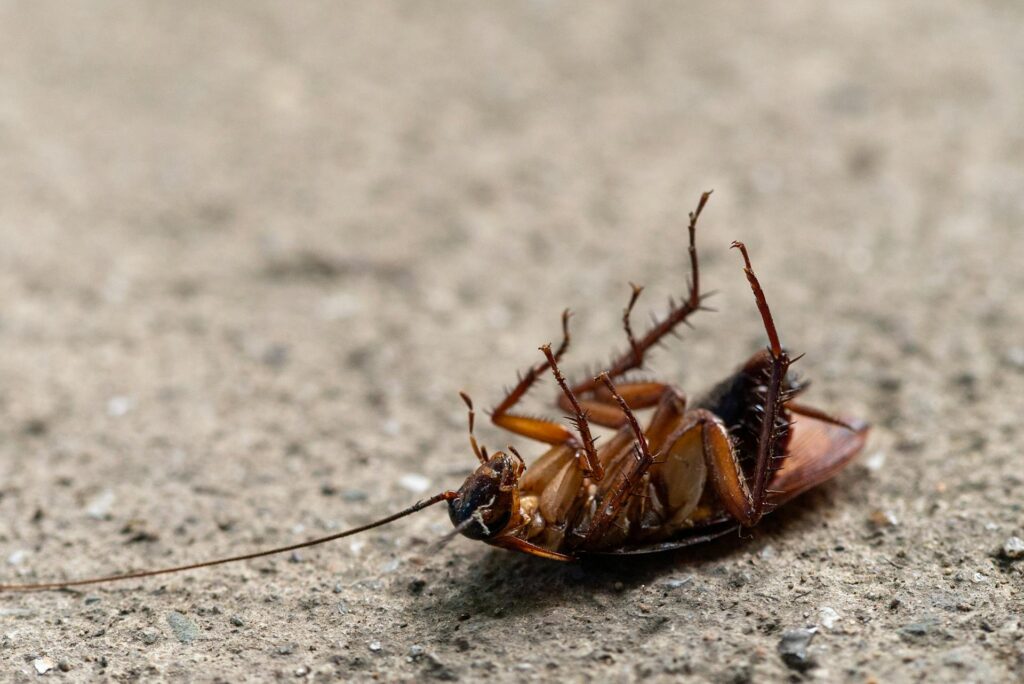
Windows and doors in a basement, crawl space, or garage are often poorly sealed, which means snakes and mice may slip through. A gap no larger than one-quarter inch is still too big for these creepy-crawlies.
The solution for your garage? Reinforce your seals by replacing any worn gaskets along the bottom part of your garage door. Install a heavy-duty threshold or door sweep to get rid of gaps where insects or rodents may slip through. For your basement, install a tight-fitting cover over the window well to keep pests, moisture, and debris at bay. In the crawl space, cover your walls and floors with a vapor barrier to discourage insects, and replace flimsy doors with gasketed, insulation versions. Use masonry or foam board to seal off unnecessary crawl spaces or vents, or install a screened vent cover over any necessary ones to block insects and rodents.
Essential Oils
The same oil you use to calm your nerves daily can be used to calm them all season long by keeping pests far, far away. Clove, citronella, lavender, tea tree, eucalyptus, peppermint—take your pick. Simply mix the pest-repelling oil of your choice into sealant or caulk to naturally defend your home against critters, as they discourage rodents and insects from nesting near or chewing on sealed areas. Here’s a look at which essential oils to use to fight specific pest problems.
- Peppermint Oil: spiders, ants, and mice
- Eucalyptus Oil: mosquitoes and cockroaches
- Tea tree Oil: bed bugs and ants
- Lavender Oil: mosquitoes, fleas, and moths
- Citronella Oil: flies and mosquitoes
- Clove Oil: spiders and ants
The Drain Game
Water down, intruders up. That’s how the drain game works in homes without drain-area pest protection. Floor openings and drains in laundry areas, bathrooms, and kitchens can easily become hidden cockroach gateways, as food particles in your kitchen sink or standing water in your bathroom sink can create the ideal breeding ground for drain flies and cockroaches. Install drain covers while also keeping water in your traps to create the perfect barrier against insects trying to migrate upward into your home.
Defend Your Home Against Pests With Confidence
Even the sneakiest bugs can be no match for your home when you master how to defend your home against them. Use weatherstripping to guard against winter bugs, and make mesh your main mate to keep insects and rodents away from your utility pipes/lines, chimneys, and vents. Seal away the bugs with gasketed garage and crawl space doors, and use essential oils to deter bugs while making your home smell irresistible to you. Take advantage of drain covers to keep bugs from breaking and entering bathrooms and laundry spaces. Consider all the above-listed pest protection tips to keep your home as unfriendly toward crawlers in the months to come.

