Key Takeaways
- Hybrid work is here to stay, allowing people to fluctuate between the office and home.
- Hybrid work requires flexibility and concessions around connectivity.
- Hybrid work brings several common technology challenges, but viable solutions exist.
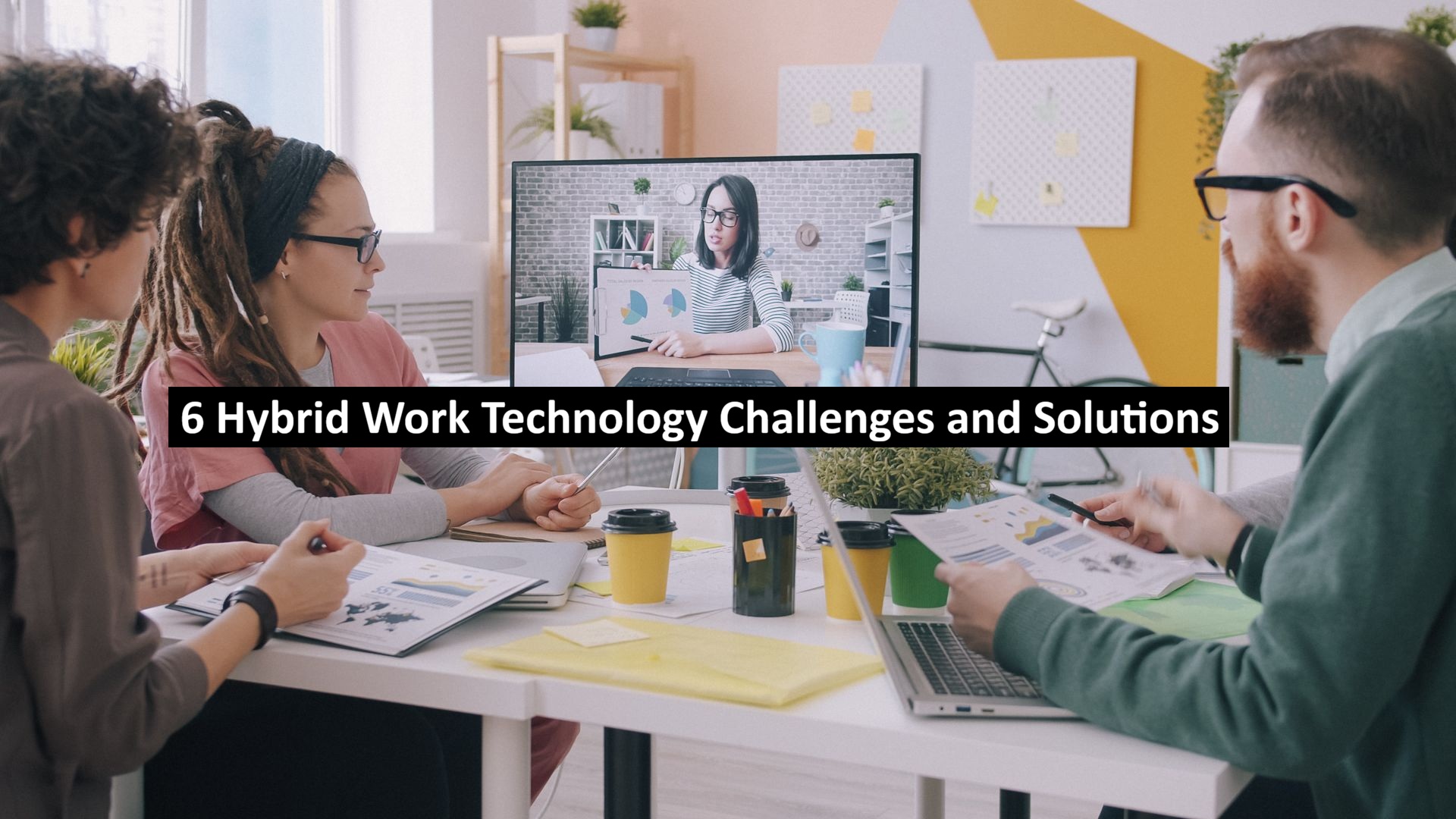
The workplace has changed drastically over the last decade. Gone are the strict 9-to-5 hours, divided cubicles, and 15-minute breaks. Today’s modern company features a hybrid setup for everyone from the top down.
During the 2020 global pandemic, the workforce shifted to the home. In the following years, the pendulum swung the other way, with companies hoping to bring employees back to the office. But a new normal emerged, with over 52% of workers on a hybrid schedule.
Finally, over the last few years, a balance has settled, with most employees maintaining a hybrid schedule that allows them to work both from home and in the office. Challenges remain, as with any endeavor, but the advantages outweigh the disadvantages.
Learn how to address six common technology challenges for your hybrid workforce.
Read: Lithium Mining vs. Other Battery Metal Investments: Which Is the Better Opportunity?
What Is A Hybrid Workforce?
Before solving challenges, it’s important to define what hybrid work actually means. Essentially, it allows employees to work both in the office and at home.
For some companies, this means setting specific days in the office and specific days when everyone works from home. For others, it means letting each employee set their own hybrid schedule based on what’s needed.
Why Is It Important?
It’s a great way to help employees strike a work-life balance and provide respite while still building a healthy company culture and collaborative mindset. Most employees will balance schedules by finishing less time-sensitive items on days at home and scheduling meetings and timely tasks for office days.
As Miroslav Miroslavov, CEO and Co-founder of OfficeRnD, said, “Hybrid work doesn’t happen by chance, and you need to be intentional, proactive, and thoughtful to make it work properly.”
Staying connected is paramount, and that means addressing these technological challenges.
The Challenge: Staying In Touch
No matter what your company does or what its purpose is, a healthy culture is the foundation of it all. You want your employees to talk, collaborate, share ideas, and be there to assist when needed. But when they’re in different areas, that can be tough.
The Solution
Provide a central messaging system, such as the chat feature on Microsoft Teams or Slack. This enables private and group messaging, making it easier to work through project details, share large files, and even video chat one-on-one. It’s a virtual watercooler.
The Challenge: Keeping Projects Moving
If your company handles any kind of marketing or mixed multimedia products, you likely need to keep projects and all related tasks organized. Employees might be together for important events, like shoot days, but projects can get lost in the details, so you want to keep them organized.
The Solution
Use a flexible work operating system, such as Monday.com or Trello, to keep tasks, leads, and project tickets in order. These tools give your team a central system that works as an interactive calendar, with a to-do list you can share across devices or assign privately.
The Challenge: Collaborating On Designs

Companies with any in-house marketing or graphic design know the key to these elements is collaboration. When your designers, approvers, and asset requesters are in different places, it becomes hard to keep that back-and-forth going.
The Solution
Use a creative workplace management platform, like Lytho, where employees can request assets with detailed requirements, project managers can assign tasks, designers can share drafts, stakeholders can request changes, and final sign-offs can be given.
These platforms also track time spent, giving management a better idea of how to allocate resources.
The Challenge: Understanding Processes
Once upon a time, when companies shared the same space, those in charge could see up close how different departments were run, what they needed in budget and personnel, and how resources were allocated. With hybrid set-ups, so much of that goes unseen. But the information is still vital.
The Solution
Any company that has multiple departments, and especially one that employs a hybrid workflow, should invest in an ERP (Enterprise Resource Planning) system. It serves as a central hub for the entire company, connecting HR, inventory, production planning, and more.
An ERP can operate as a hybrid system, both on company servers and in a company-run cloud.
The Challenge: Ensuring Devices Are Secure
Company data, no matter the focus, is sensitive. You want to know that if your employees work from a coffee shop or on the road during their home days, everything stays safe and can’t be accessed on a public server.
The Solution
You can either provide a company laptop and phone with IT security settings configured, or allow employees to use their own devices but require a VPN (virtual private network).
The Challenge: Hosting Hybrid Meetings
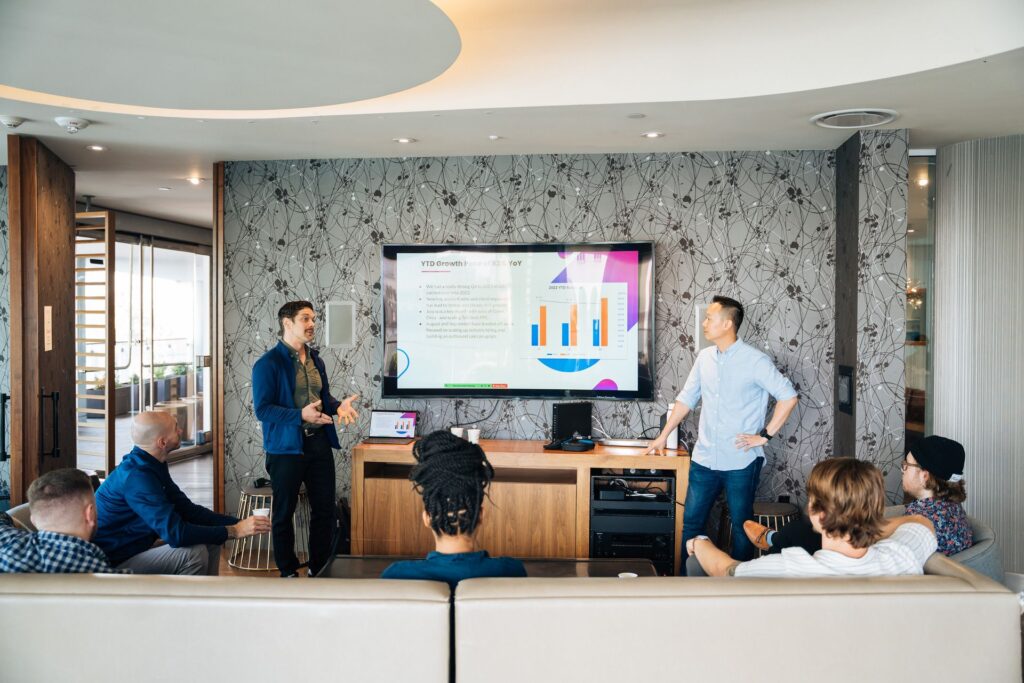
Arguably, the biggest challenge for a hybrid workforce is hosting meetings. You could require employees to be in the office at certain times, but most of the time, if they aren’t on the same hybrid schedule or work in a different city, it can feel impossible to get everyone around the table.
You need a meeting room, be it physical or virtual, or, in the spirit of a true hybrid workplace, a bit of both.
The Solution
Turn any room into a meeting room with commercial AV solutions and host a virtual meeting with a physical presence. These products equip a room with audio and visual equipment, allow you to share your screen, and tablets connect to your company’s preferred communication platform, such as Teams.

